


For adults aged 18 and over. Nicotine is addictive. This article reports published evidence and regulatory statements; it is not medical advice.
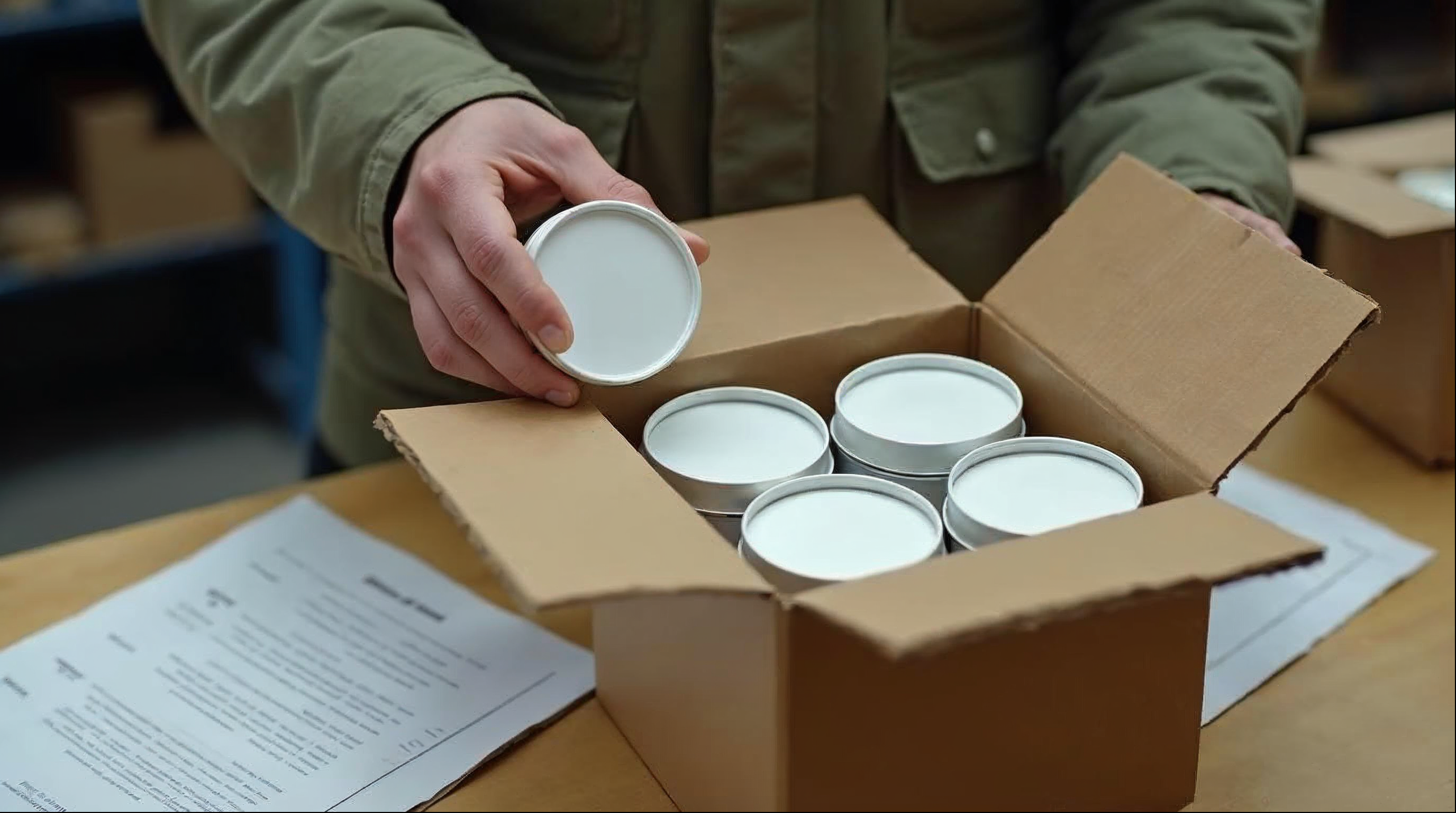
A nicotine pouch has two distinct parts: the moist filling that releases nicotine and the small white wrapper that holds it together. Ingredient lists tend to focus on the filling. The wrapper is where the public record becomes much thinner.
That distinction moved from a technical footnote to a news story in July 2026, when a former US Food and Drug Administration toxicologist questioned how closely the wrapper used for ZYN had been examined before the product was authorised.
The short answer
The filling commonly contains nicotine, plant-based bulking material, flavourings, sweeteners, acidity regulators and moisture-control ingredients. Recipes vary by brand and market.
The outer pouch is normally described in broad terms such as cellulose or plant fibre. Those words do not identify the exact material or how it has been processed. Reporting by STAT and The Examination cited Danish environmental testing of 11 brands that found a semi-synthetic cellulose resembling cellulose acetate.
That finding does not establish that every pouch uses the same wrapper. It does show why a precise material specification matters.
Why the wrapper became news
Former FDA toxicologist Christy Leppanen told STAT and The Examination that she raised questions about the pouch material while working on an environmental review of ZYN. According to the investigation, she conducted informal tests after hearing colleagues say the pouch dissolved during use. It did not.
Leppanen says the agency should then have requested more information from the manufacturer. The FDA disputes the suggestion that its review was inadequate. It told the reporters that the review had not identified an additional concern specific to the product's ingredients or materials.
Those are two different accounts of the review process. Neither is proof that the wrapper causes harm.
What the evidence does - and does not - show
Supported by the public record:
- Used pouches remain intact and are discarded; they are not designed to dissolve in the mouth.
- Public descriptions of wrapper composition are less specific than the ingredient information for the filling.
- The Danish testing cited by STAT found material similar to cellulose acetate in the brands examined.
- The FDA's published authorisation says its toxicology review did not identify a material-specific concern that prevented authorisation.
Not established:
- There is no published study measuring microplastic shedding from nicotine pouches during normal use.
- The Danish result does not prove that every product or production batch uses identical material.
- The investigation did not conclude that authorised ZYN products are unsafe.
The honest position is therefore quite narrow: there is a worthwhile disclosure and research question, but not a demonstrated consumer-health finding.
What the FDA decision means
The FDA first authorised specific ZYN products for sale in the United States in January 2025. On 30 June 2026, it allowed 20 of those products to carry a specific modified-risk claim comparing complete switching from cigarettes with continued smoking.
That is a relative-risk decision for named products. It is not a statement that nicotine pouches are harmless, and it does not apply automatically to every pouch on the market. The FDA itself says that people who do not use tobacco products should not start.
What is different in Europe
There is no single EU-wide product rule covering nicotine pouches in the same way across every member state. A 2026 European Commission staff working document describes national approaches ranging from bans to nicotine limits, notification, labelling and age restrictions.
For a buyer, that makes traceability more useful than a vague claim that a product is simply "European compliant."
Check for:
- A clear product name, nicotine amount and ingredient declaration.
- A legible batch or lot code.
- A named manufacturer, importer or distributor.
- Intact packaging and seals.
- A retailer that follows the rules for the destination country.
PouchStore's view
Manufacturers should be able to identify both the filling and the wrapper. "Plant fibre" is a starting point, not a full material specification. Until better independent testing is published, retailers should avoid turning an unresolved question into either a safety promise or a scare story.
We use supplier identity, batch traceability and market eligibility as practical listing checks. They do not replace laboratory evidence, but they give customers and authorities a clear route back through the supply chain if a product question arises.
FAQ
Do nicotine pouches dissolve in the mouth?
No. They release their contents while in use, but the wrapper remains and should be discarded responsibly.
Are nicotine pouch wrappers plastic?
The public descriptions vary. Testing cited in the 2026 investigation found a semi-synthetic cellulose resembling cellulose acetate in 11 brands, but that should not be treated as a specification for every product.
Has microplastic harm from nicotine pouches been proven?
No. Researchers quoted in the investigation described a possible mechanism if cellulose acetate is present, while also noting that direct pouch-specific research is missing.
Did the FDA withdraw ZYN authorisation?
No. The products discussed remain authorised in the United States, and 20 products received permission in June 2026 to use a specific modified-risk claim.
Adults 18+ only. Nicotine is addictive.